


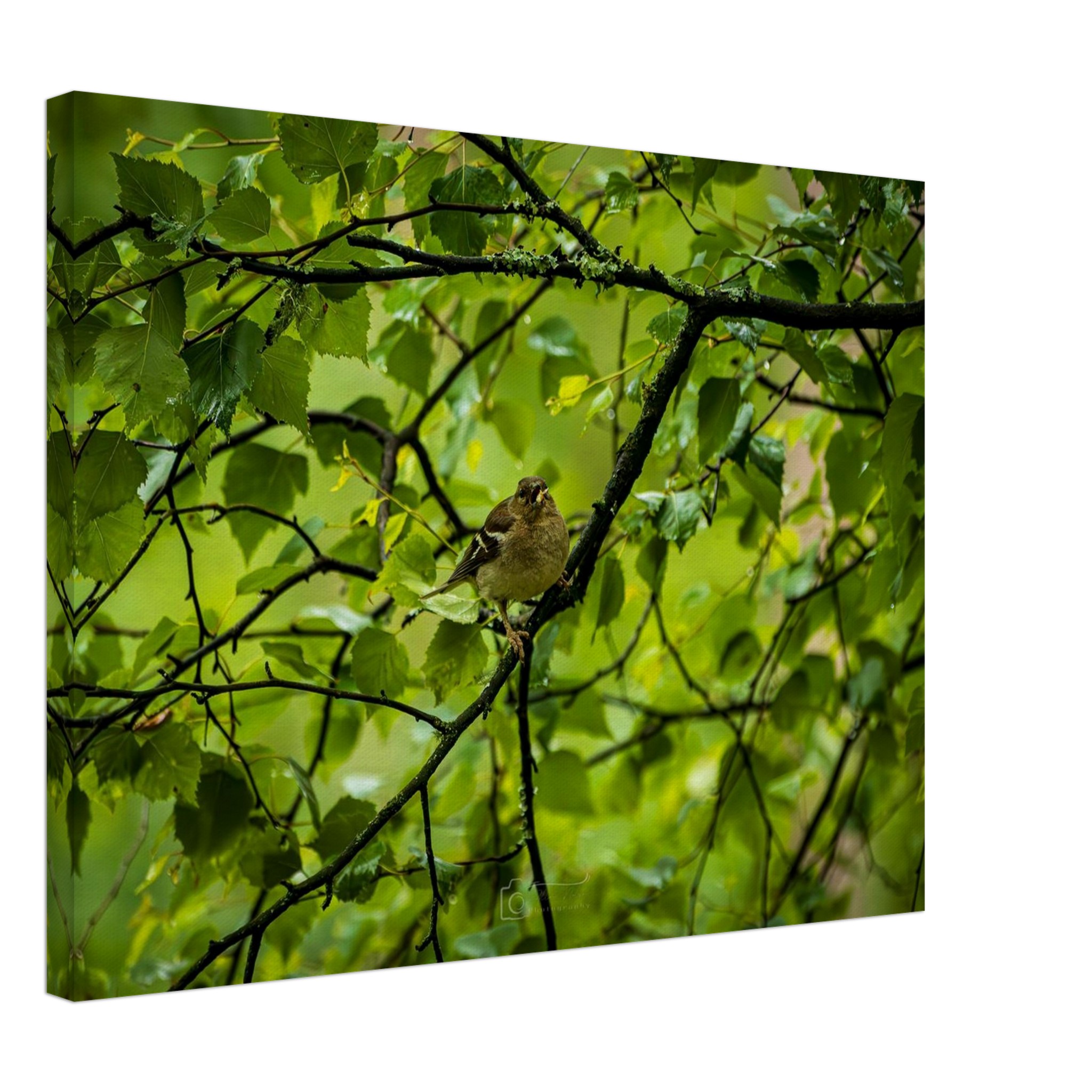

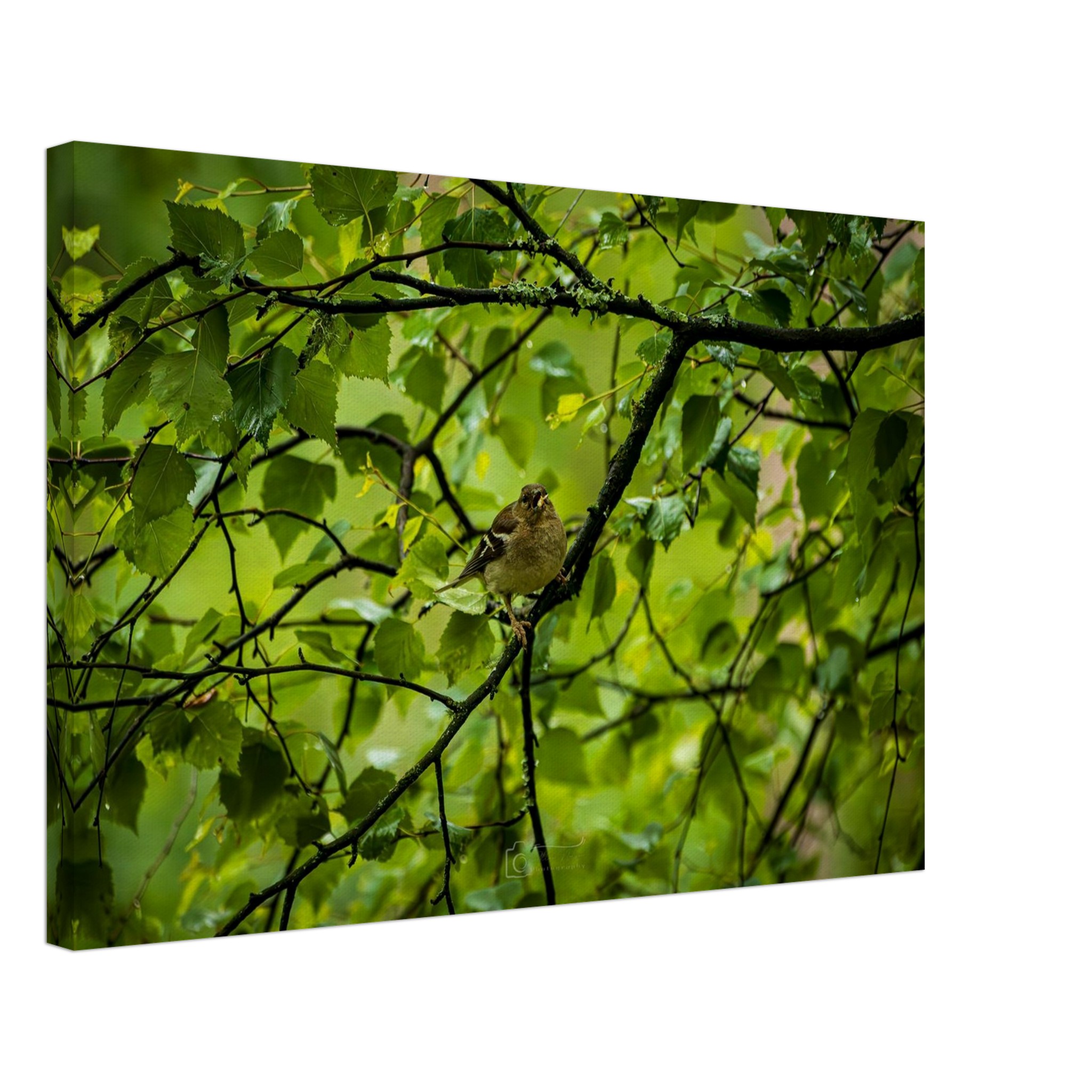


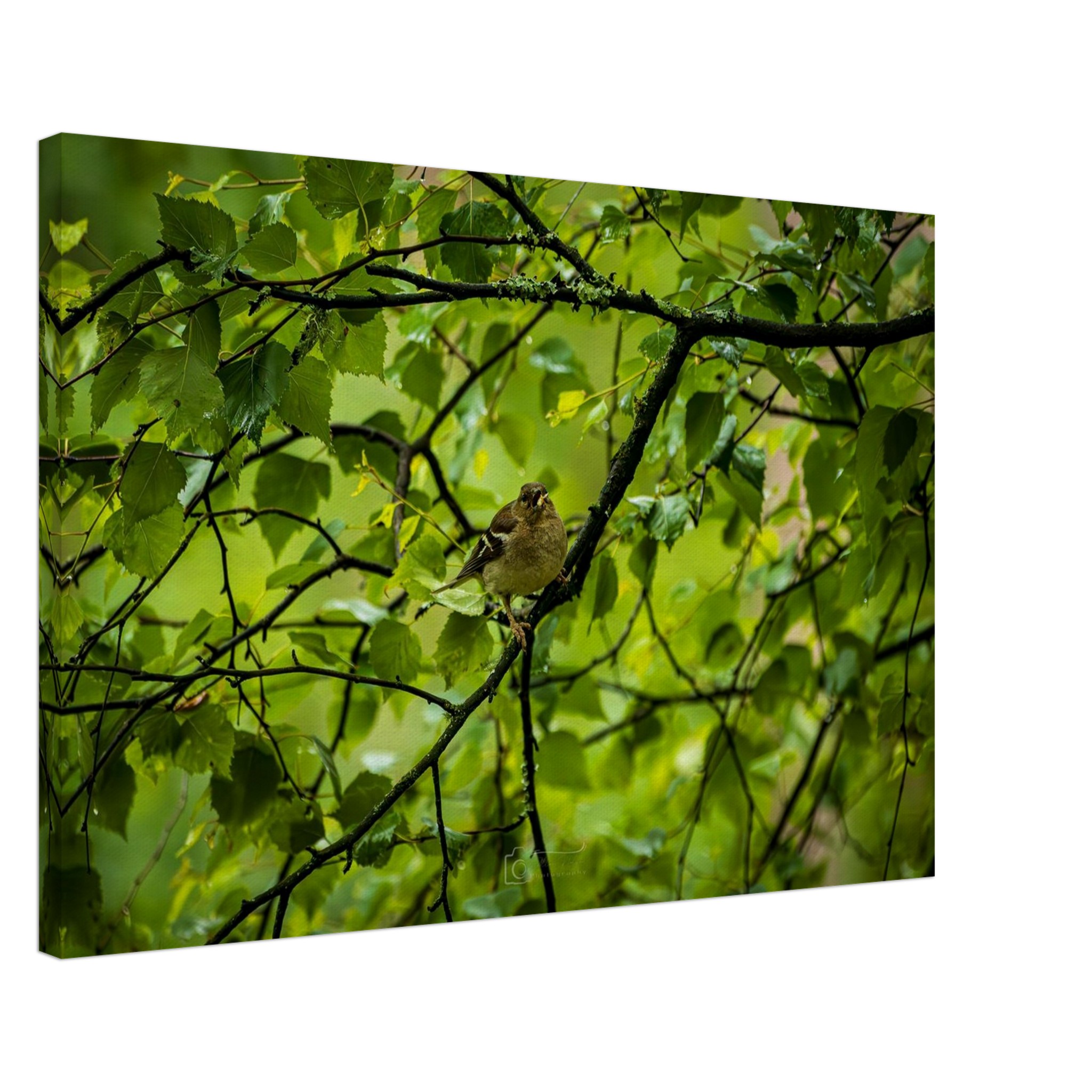
Description
Within the expansive woodlands of Newborough Forest and the adjacent Warren area, you can hope to spot a variety of distinctive and often striking birds. Among these, the Common Crossbill stands out, easily recognisable by its unique seed-cracking beak and lively aerial displays as it flits through the pines. The Coal Tit, a charming small bird with a distinctive black cap and white patches on its wings, is another common sight in these coniferous woods, often seen darting between trees as it searches for insects and seeds. The Goldcrest, the UK’s smallest bird, adds to the woodland chorus with its high-pitched, tinkling calls, and is often seen flitting about the canopy and lower branches, especially during the spring and early summer months. These species, among others, make the larger woodlands of Newborough a hotspot for avid bird watchers aiming to observe a rich variety of birdlife in its natural habitat.
Beyond the woodland areas, the diverse habitats surrounding Newborough are bursting with opportunities for birdwatching enthusiasts. The wider expanse of Newborough Forest, with its mix of ancient trees, open clearings, and scrubby edges, provides perfect foraging grounds for various bird species typical of woodland environments, including different types of tit (such as the Great Tit and Blue Tit) and the occasional winter roosts of ravens, particularly during colder months when flocks roost together for warmth and safety. Furthermore, the nearby Newborough Warren and Cefni Estuary are renowned for their dynamic displays of bird life, especially during the winter season when an influx of waterfowl and wading birds take refuge in these sheltered coastal habitats. During this time, species such as Brent Geese—famous for their striking black necks and white bellies—can be seen grazing on the saltmarshes. The Wigeons, with their iridescent green heads and distinctive calls, and Lapwings with their dramatic wing displays and evocative calls, also form large, lively flocks that are a delight to observe.
For those particularly interested in waterbirds, Llyn Parc Mawr Lake offers a reliable and accessible site. The lake is equipped with dedicated bird screens—purpose-built hides that allow for close-up views without disturbing the wildlife—making it an ideal spot for observing waterfowl in comfort. Here, visitors can expect to see Greylag Geese gliding across the water or grazing along the shores, while Tufted Ducks with their distinctive tufted heads dive beneath the surface in search of aquatic plants and invertebrates. Little Grebes, also known as Dabchicks, frequently bob just below the surface or dive underwater in a graceful display that never fails to fascinate birdwatchers. The serenity of the lake combined with these lively bird activities creates a peaceful yet captivating environment perfect for both beginners and seasoned birders.
If you are planning a visit and want to optimise your birdwatching experience, I can assist you in identifying the best times of the year for observing particular species. Spring and early summer bring migrants from across Europe, turning the woodland and coastal habitats into bustling hubbubs of activity. Conversely, winter months often feature large flocks of wintering waterfowl and roosting birds, providing excellent opportunities to see species like the Goosander, Gadwall, or the strikingly patterned Wigeon. With its rich mosaic of habitats—woodlands, marshes, estuaries, and lakes—Llyn Parc Mawr and its surrounding areas offer an all-encompassing birdwatching adventure that can be both relaxing and exciting, allowing you to immerse yourself fully in the vibrant world of native and migrating birds.


