

Description
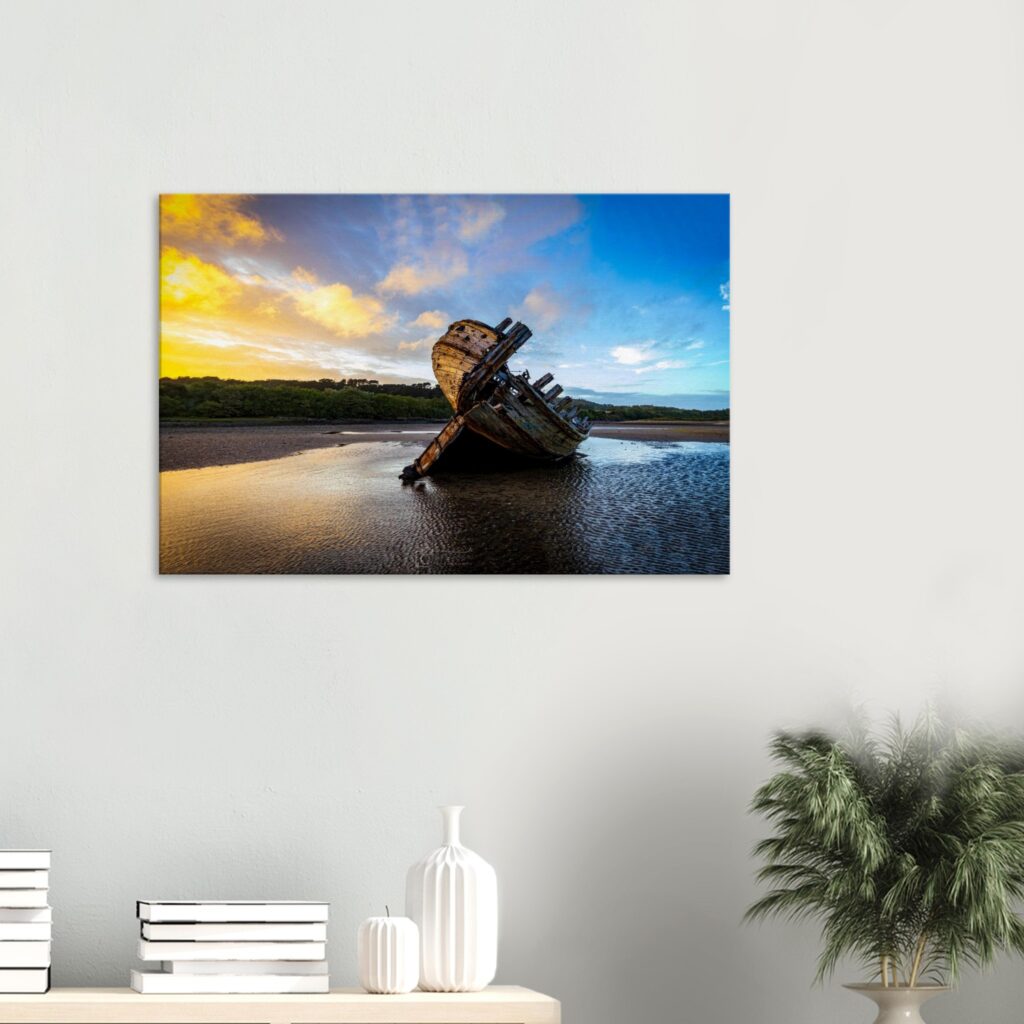
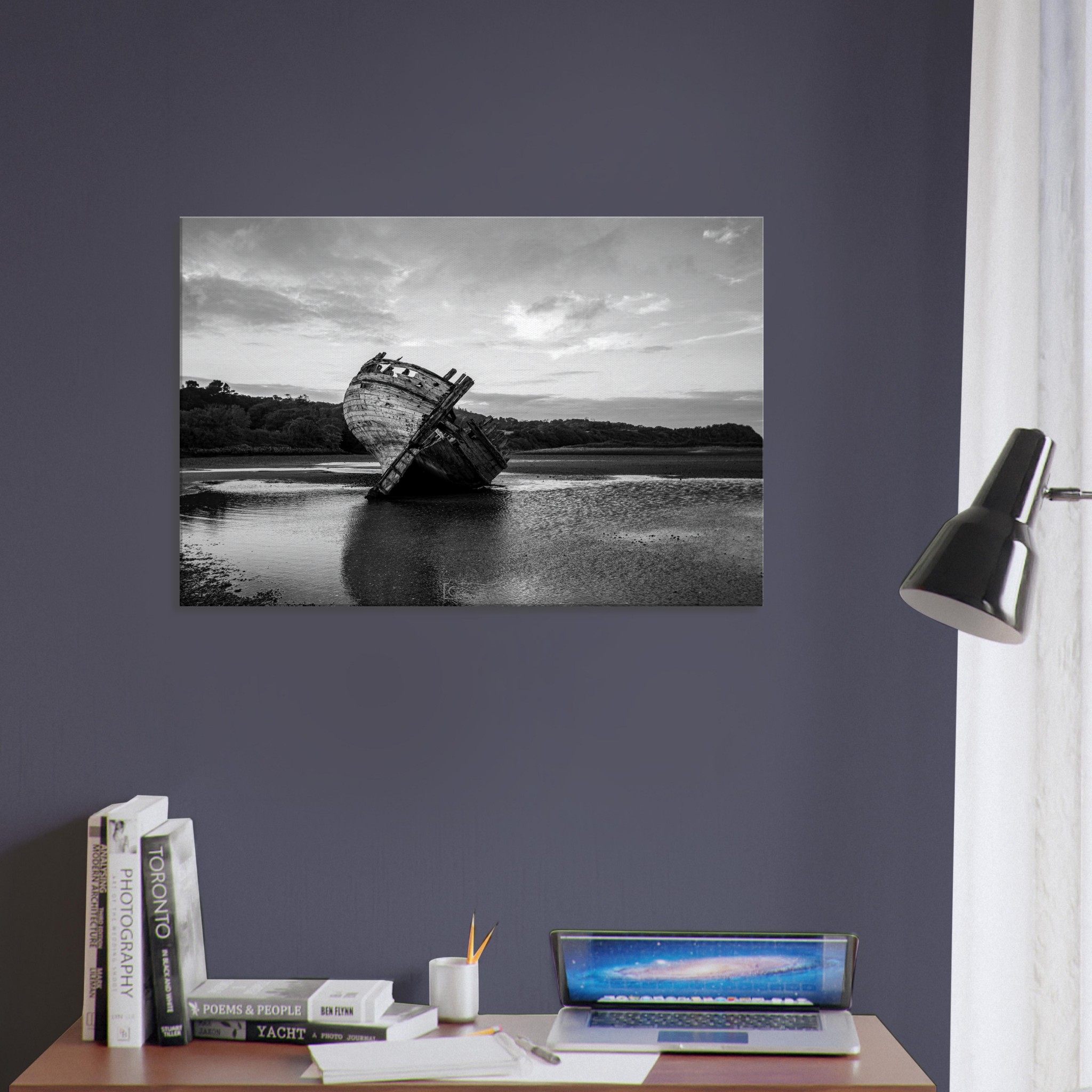
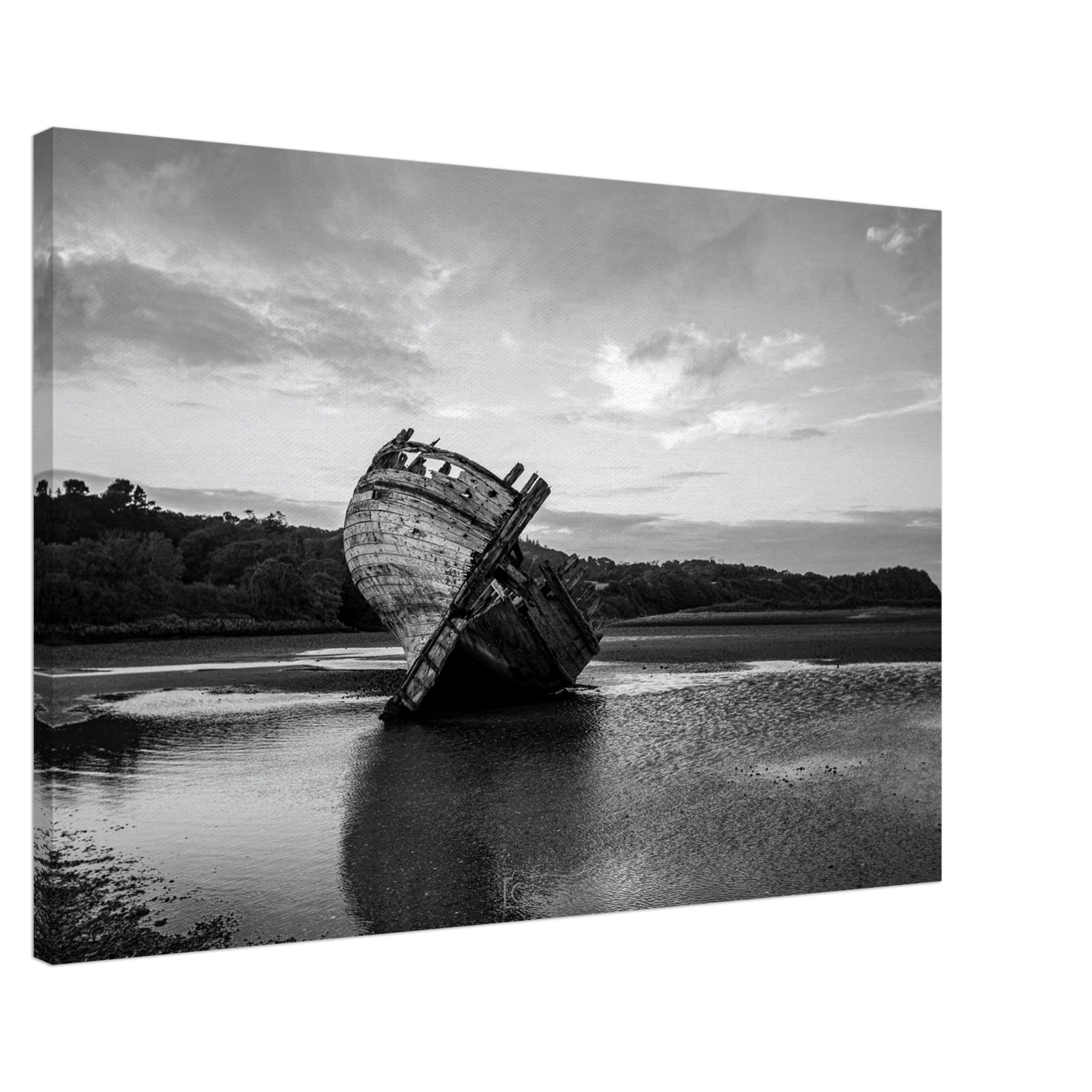
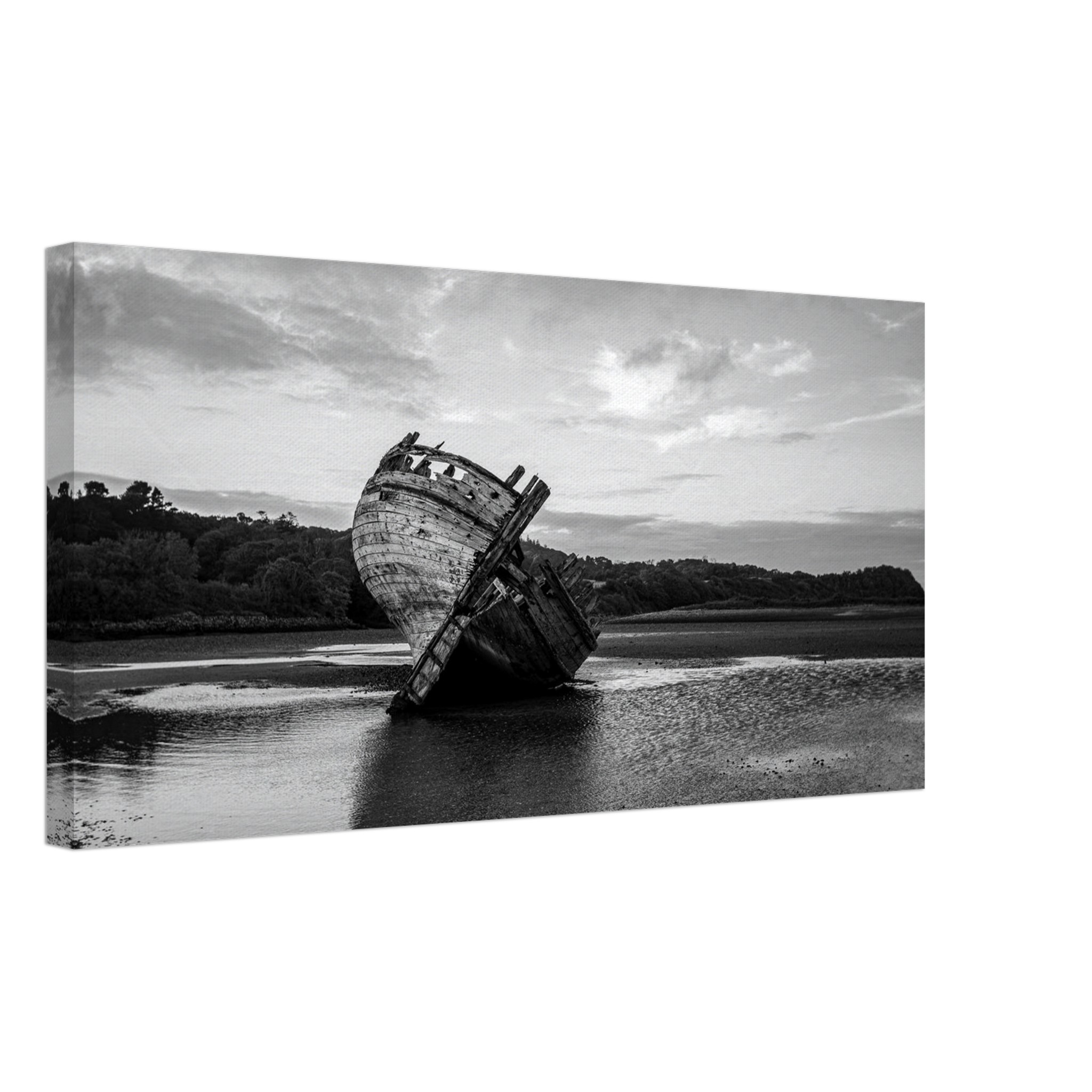
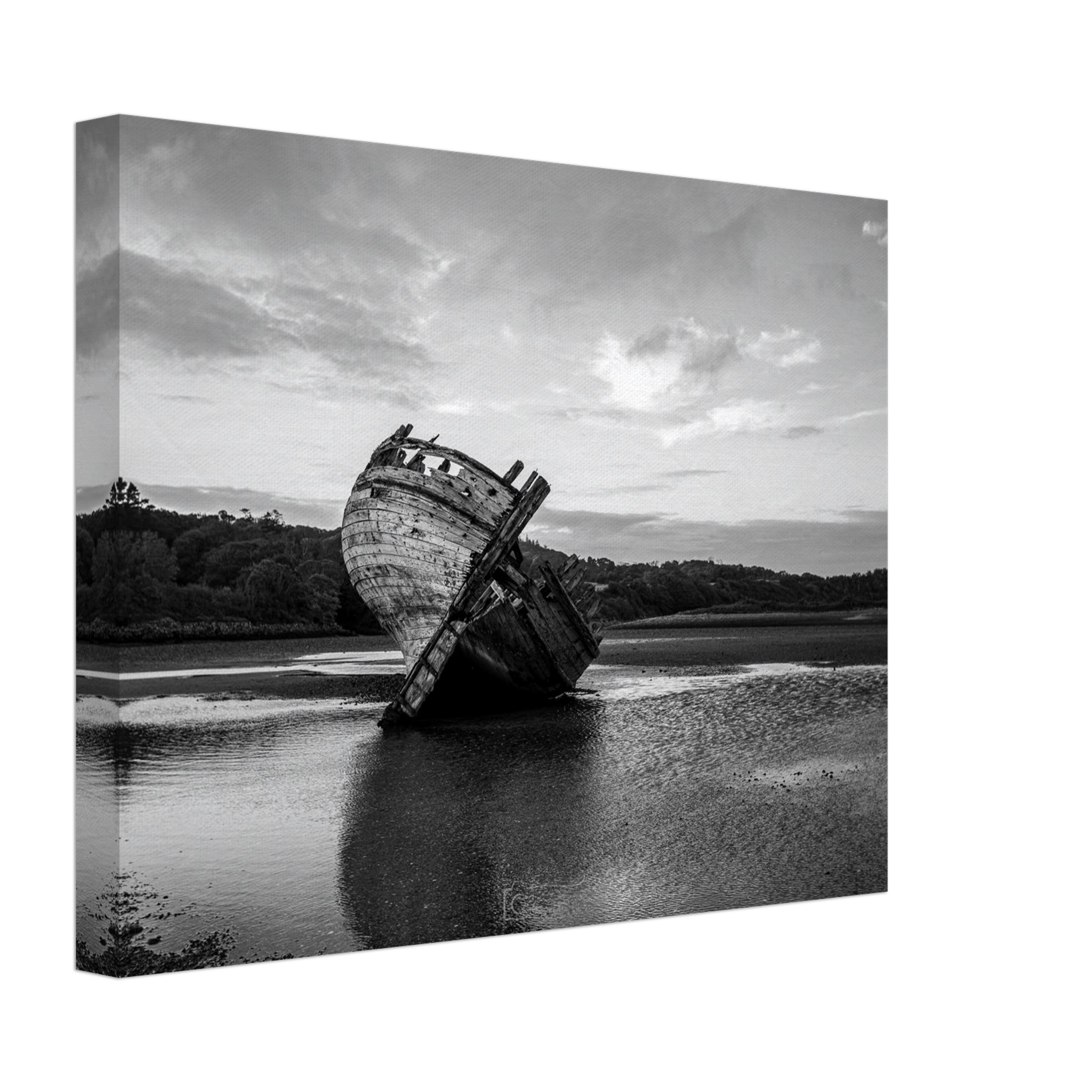
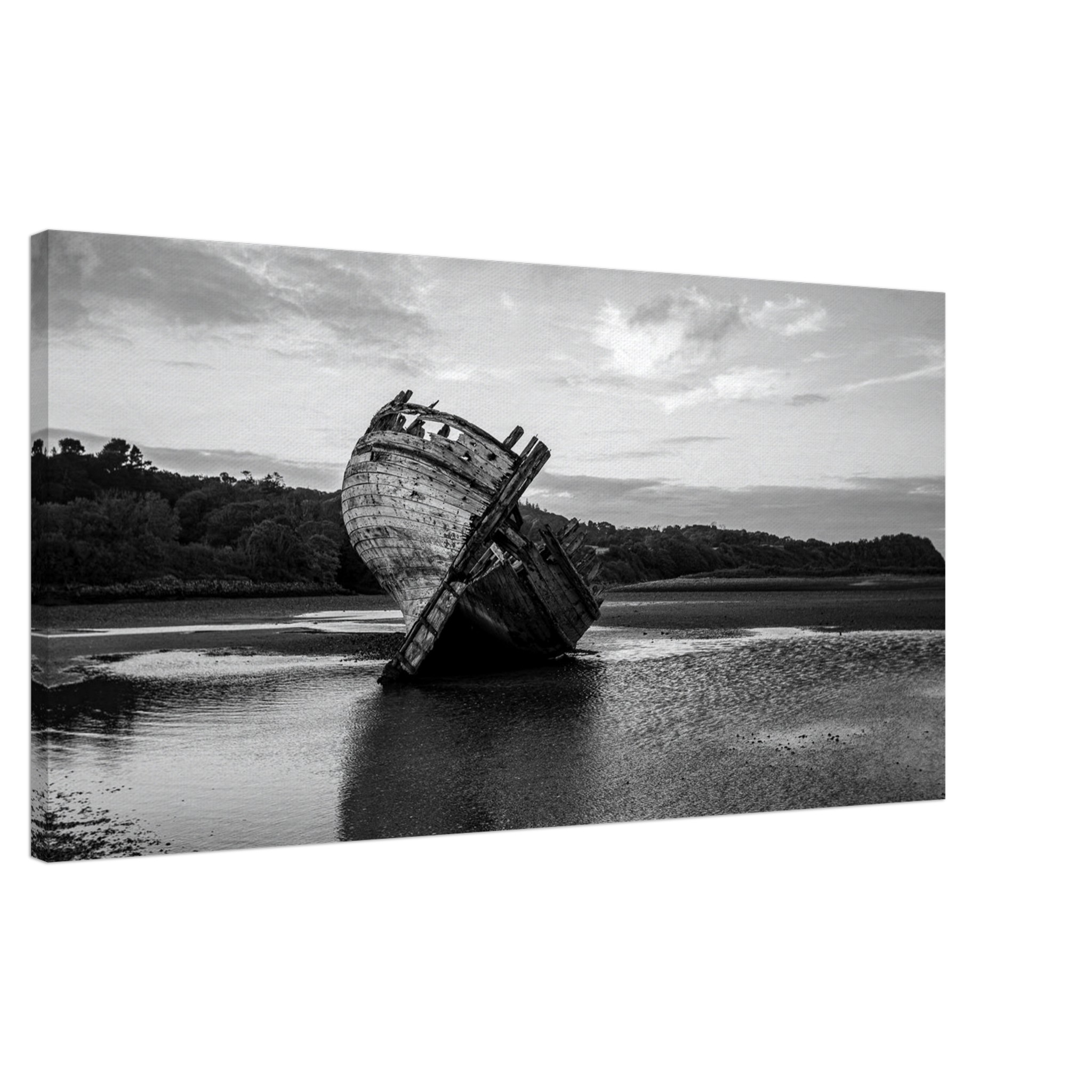
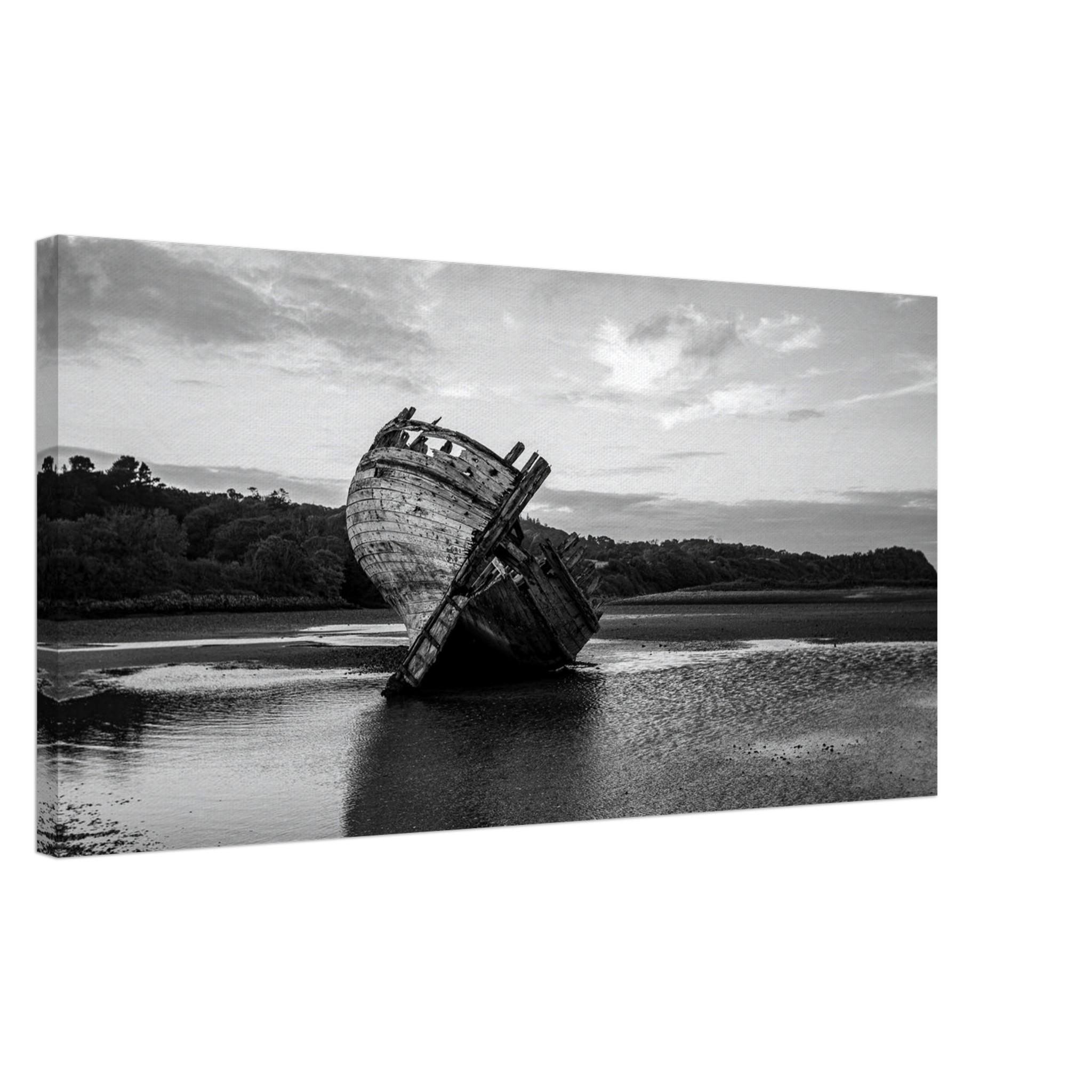
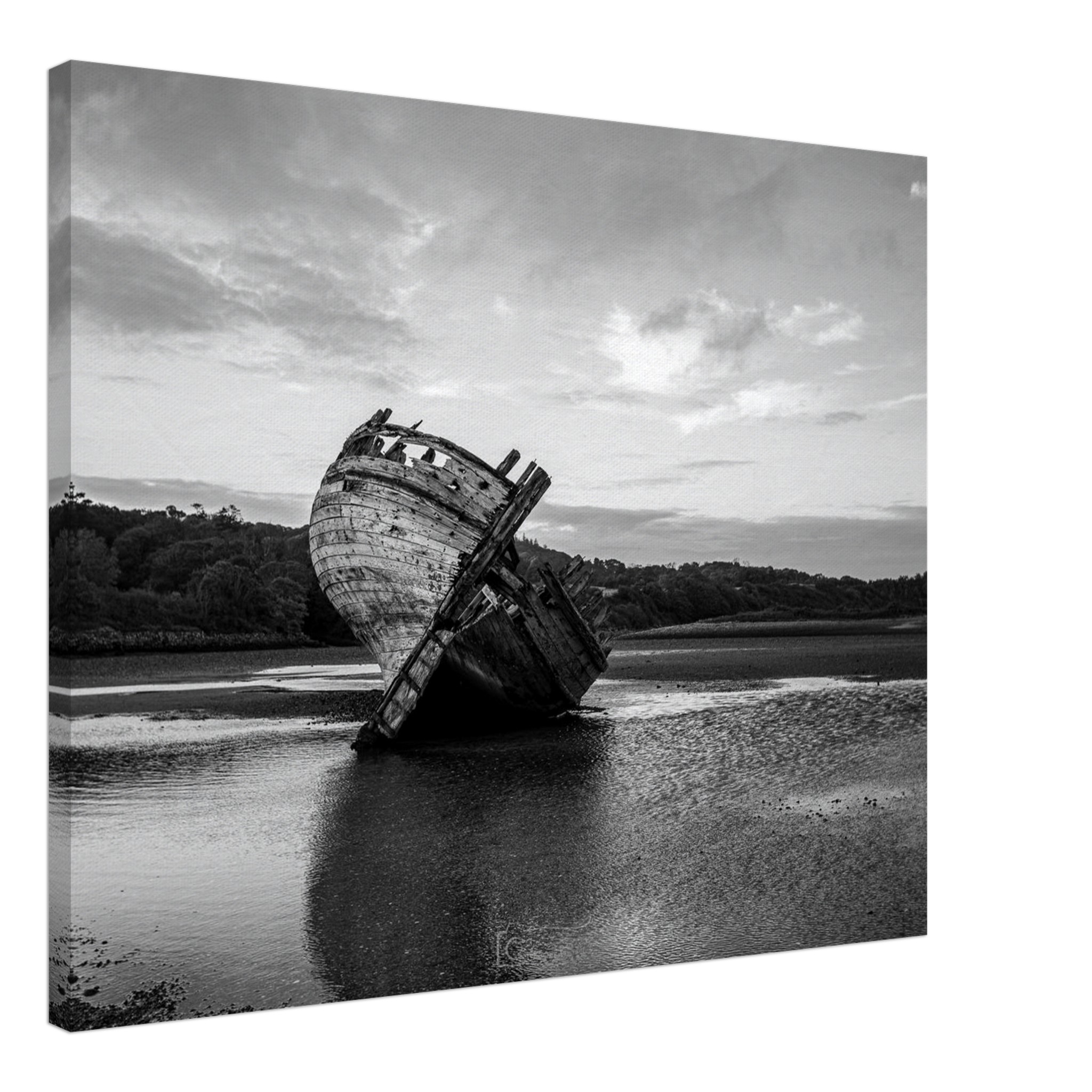
Nestled along the rugged and windswept Welsh coastline, where crashing waves meet jagged cliffs and the horizon stretches endlessly into the horizon, there lies a hauntingly beautiful Relaxing Manx Rose —the wreck of the Royal Charter steam clipper. This vessel, once a symbol of Victorian engineering ingenuity and maritime ambition, now rests largely submerged and broken, a ghostly testament to the power of nature and the fleeting nature of human achievement. Overlooking the nearby Manx Rose shipwreck at Traeth Dulas, the Royal Charter’s remains have become an iconic focal point for photographers, explorers, and history enthusiasts alike, drawn by its silent stories and the strong sense of nostalgia that surrounds it.
The ship’s rusted hull, standing in forlorn defiance against the relentless saltwater and corrosive sea air, is a tapestry of corrosion and decay. Its once sleek lines have long since faded, rendered jagged and fragmented, revealing glimpses of the vessel’s former grandeur. Years of exposure to the relentless sea have transformed the metal into a patchwork of reddish-brown rust, pocked and eroded, whispering tales of voyages across perilous waters. The broken masts and scattered remnants of the ship’s superstructure now lie strewn across the shoreline, intermingled with seaweed, shells, and the natural debris of the coast, creating a surreal tableau vivant that blurs the lines between man-made and natural worlds.
The shoreline itself is a captivating scene – a vast, windswept stretch of sand and pebbles dotted with remnants of the ship’s structure, drifting into the ocean or tucked away in rocky crevices. Beneath the wide expanse of the sky, which seems to stretch infinitely with its ever-shifting shades of grey and blue, the landscape exudes a sense of timeless tranquility, evoking feelings of eternity and impermanence. As the tide ebbs and flows, it gradually reveals more of the wreckage, while seabirds swoop overhead, their calls echoing through the salty air. The scene captures a delicate balance between the destructive forces of the sea and the slow, inevitable process of natural reclamation.
As twilight approaches and the sun begins its descent beyond the horizon, the dying light bathes the wreck in a warm, golden hue. This fleeting moment transforms the decaying metal and eroded wood into a poetic tableau, emphasizing the fragile beauty that emerges in decay. The contrast of fiery sunset against the cool, weathered surfaces accentuates the interplay between life and decay, creation and destruction. It is as if nature, through its gentle yet relentless effort, is reclaiming what was once a mighty vessel, gradually dissolving the lines between human craftsmanship and the natural world.
Visiting this site offers a profound glimpse into nautical history, a location where stories of daring voyages and maritime disasters are felt in every rusted bolt and weathered plank. It stands as a peaceful yet powerful monument to the transient and fragile nature of human endeavour against the unyielding forces of the ocean and time. The wreck, though abandoned and decaying, continues to inspire awe and reflection—reminding us of both our mortality and the enduring spirit of exploration. In every gust of wind and whisper of sea spray, the wreck of the Royal Charter persists as a symbol of resilience, history, and the timeless dance between mankind and nature reflecting the Relaxing Manx Rose.