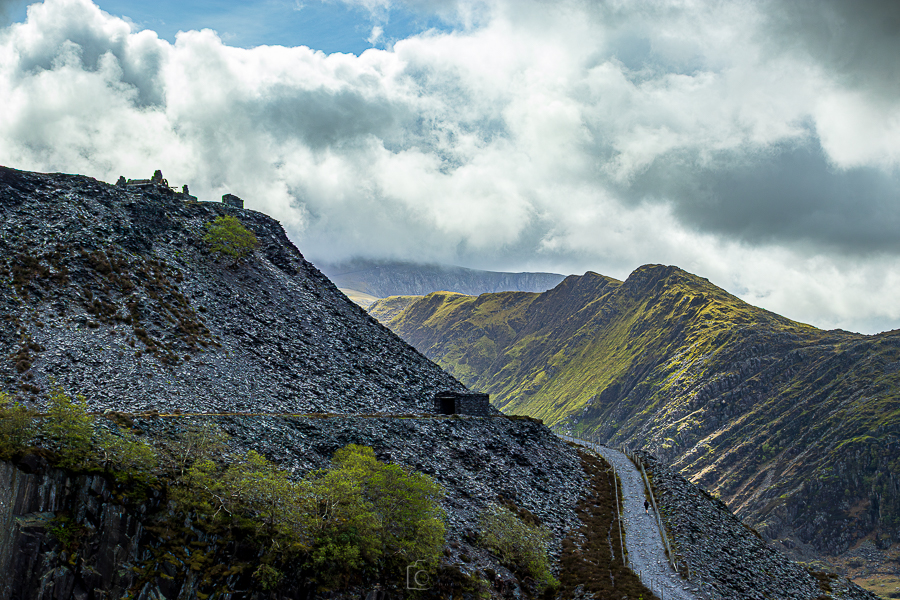
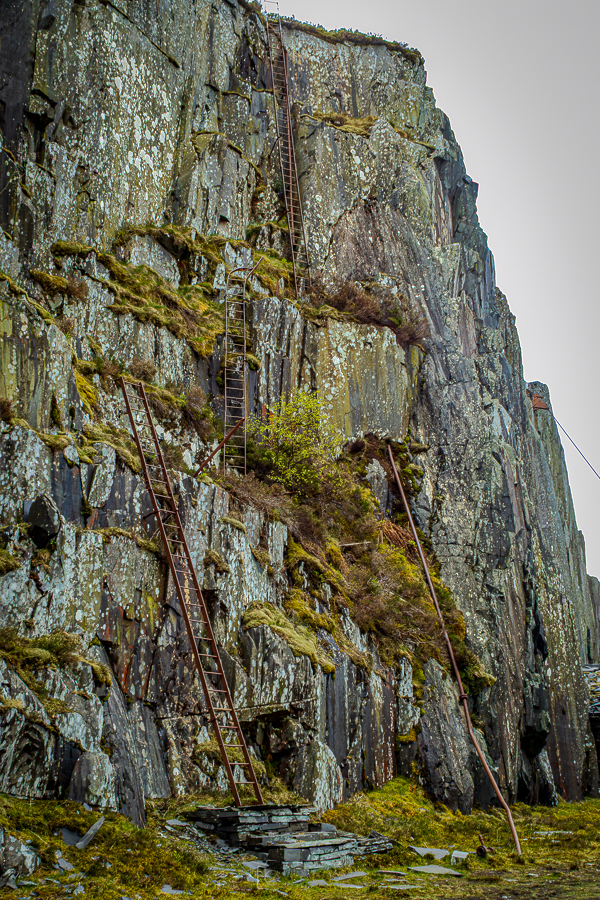
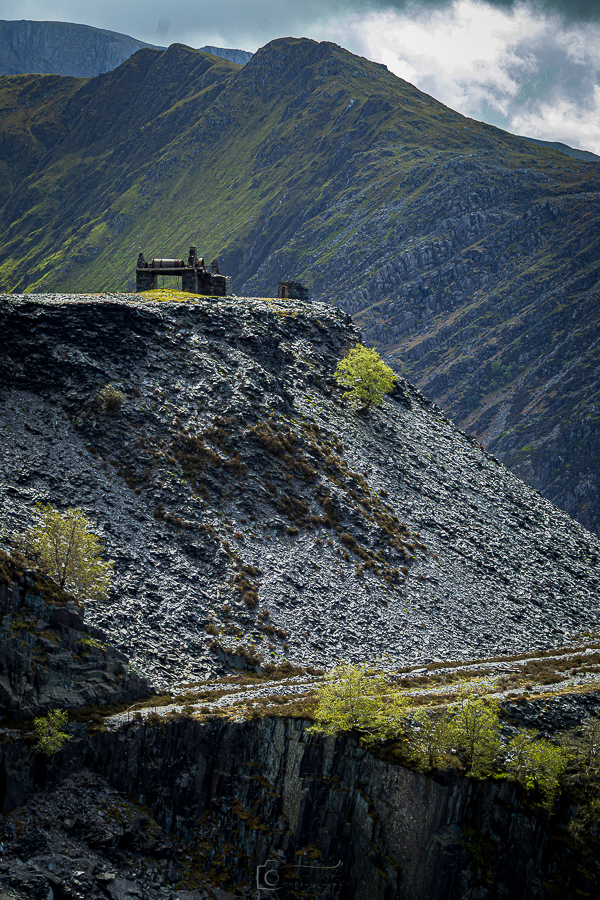
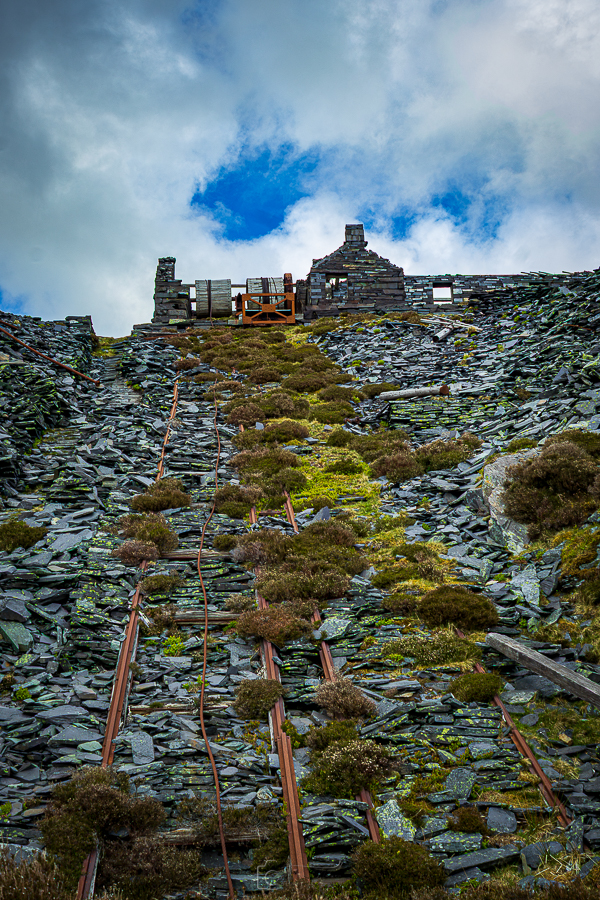
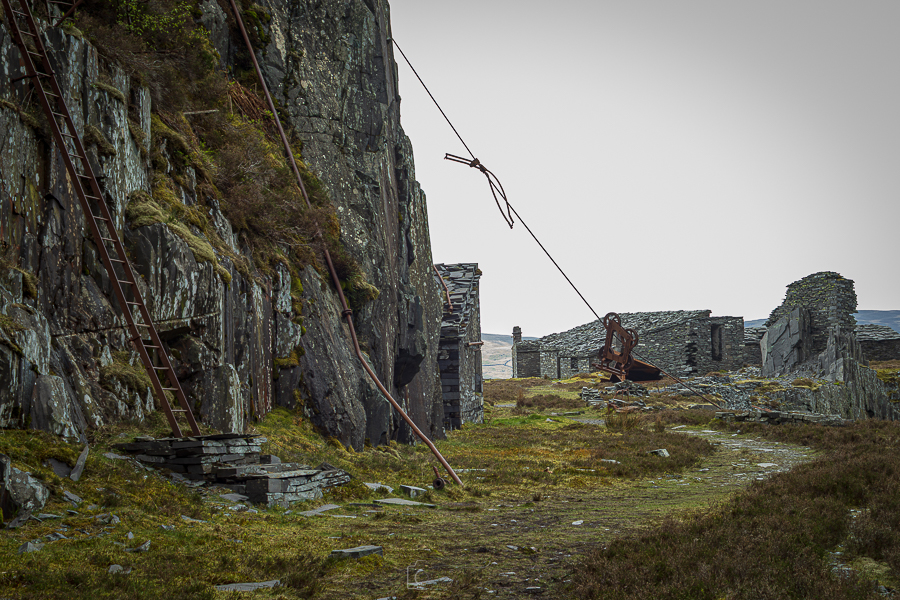
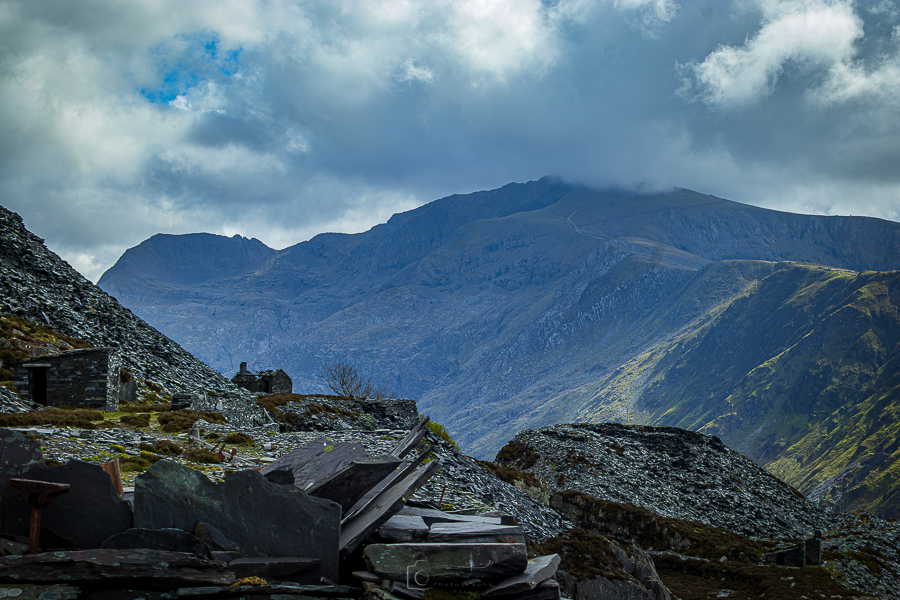
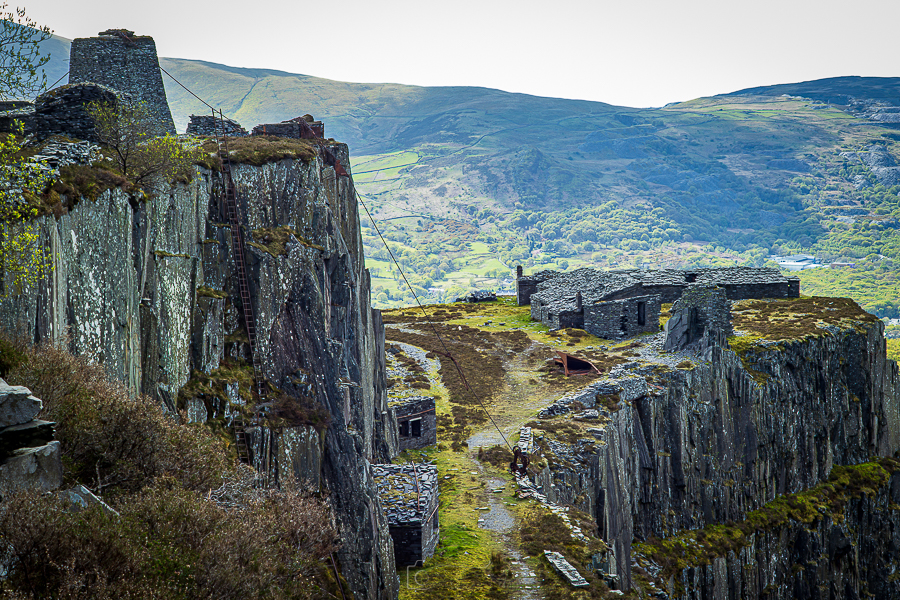
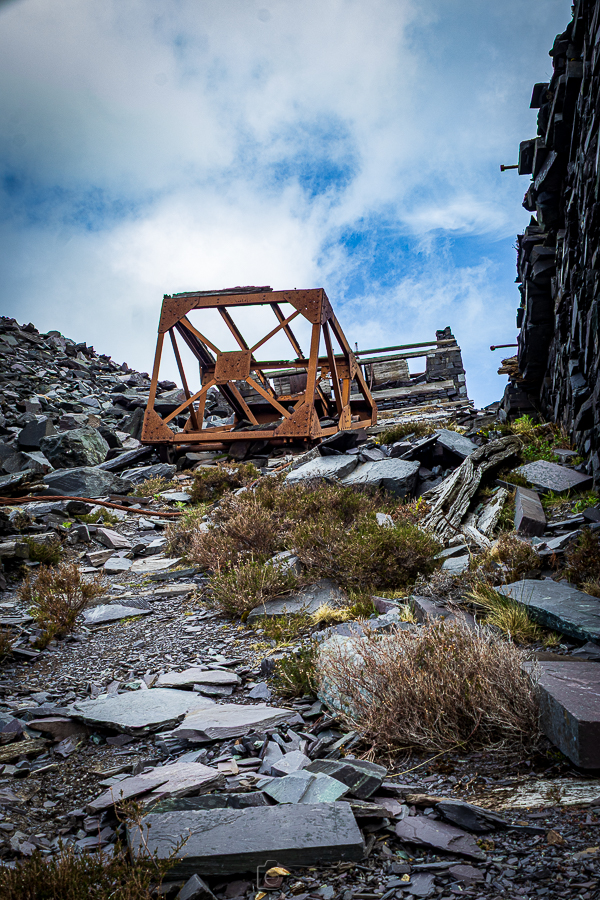
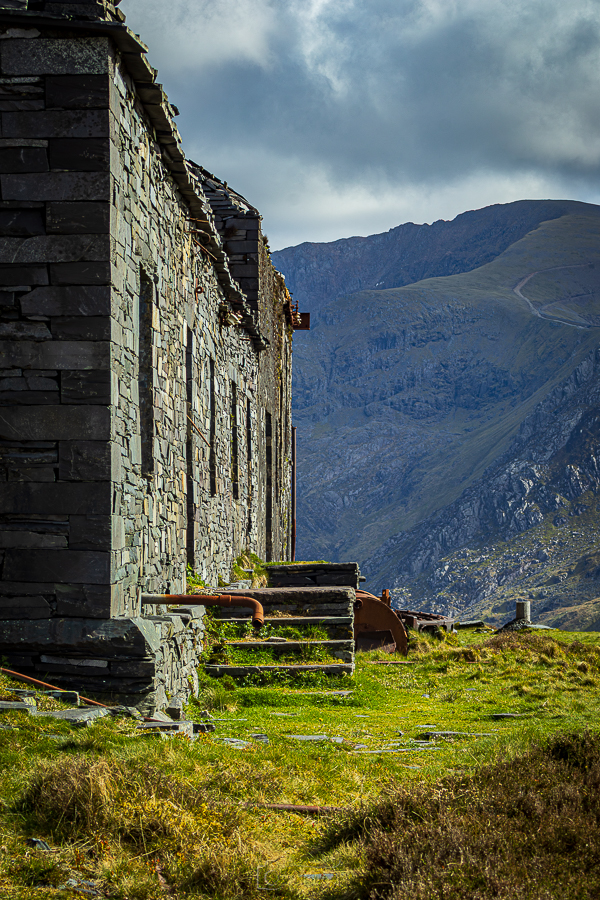
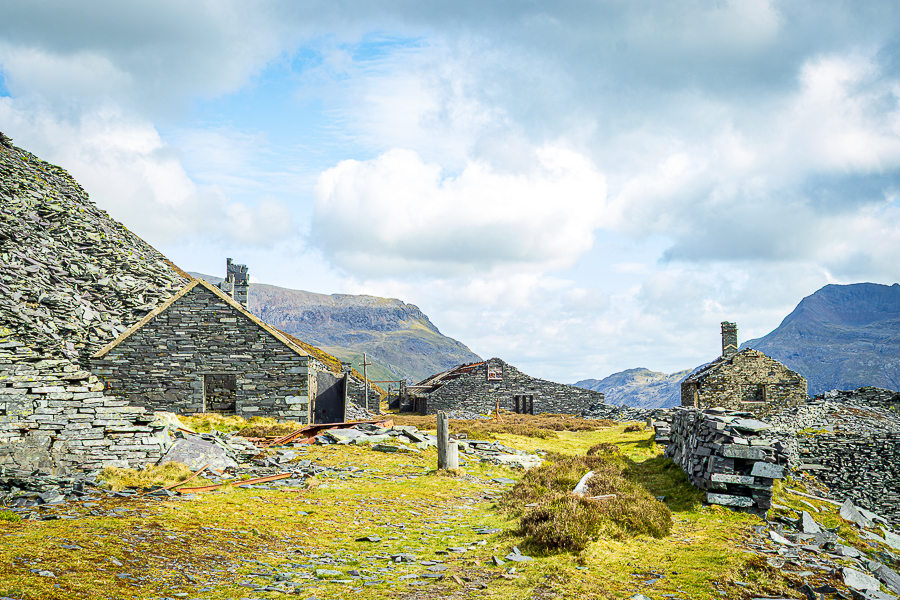
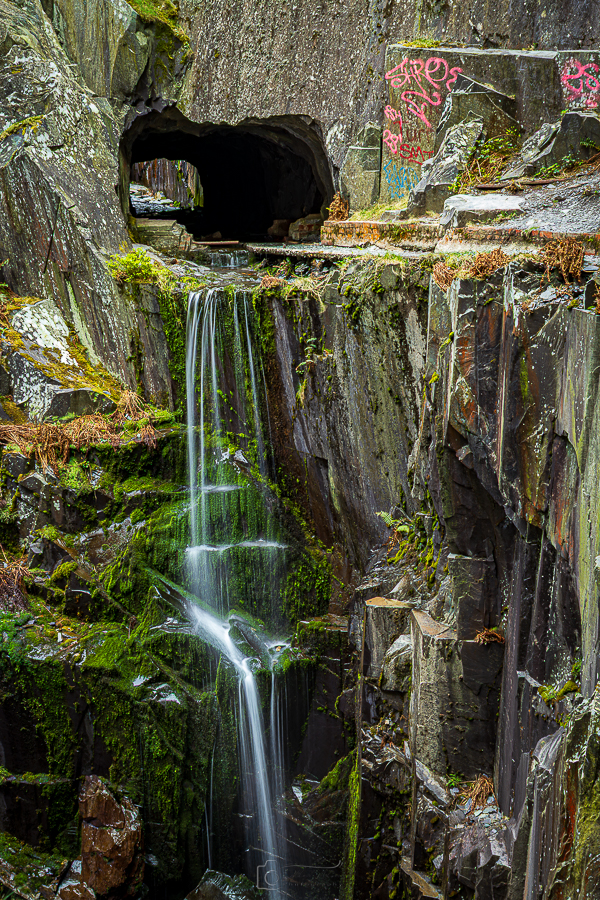
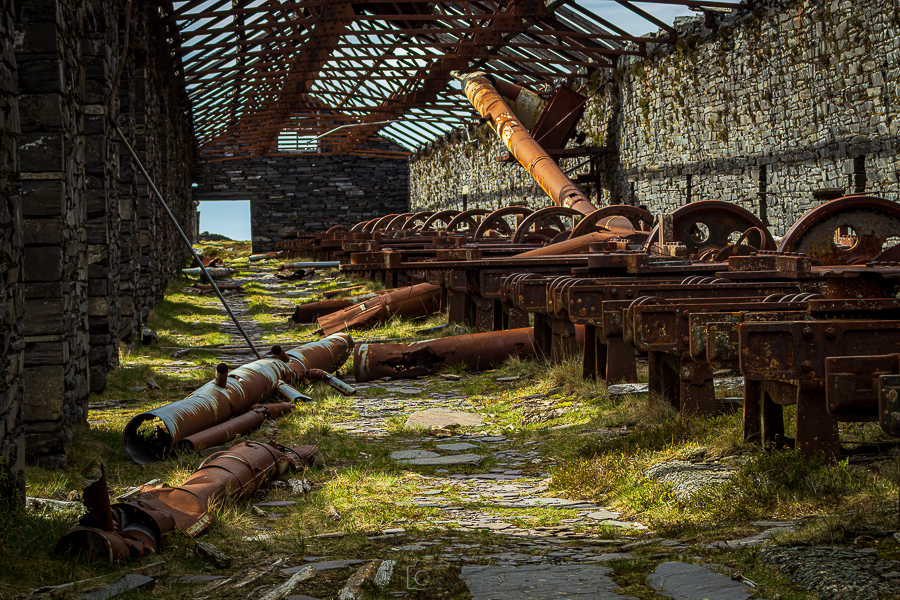
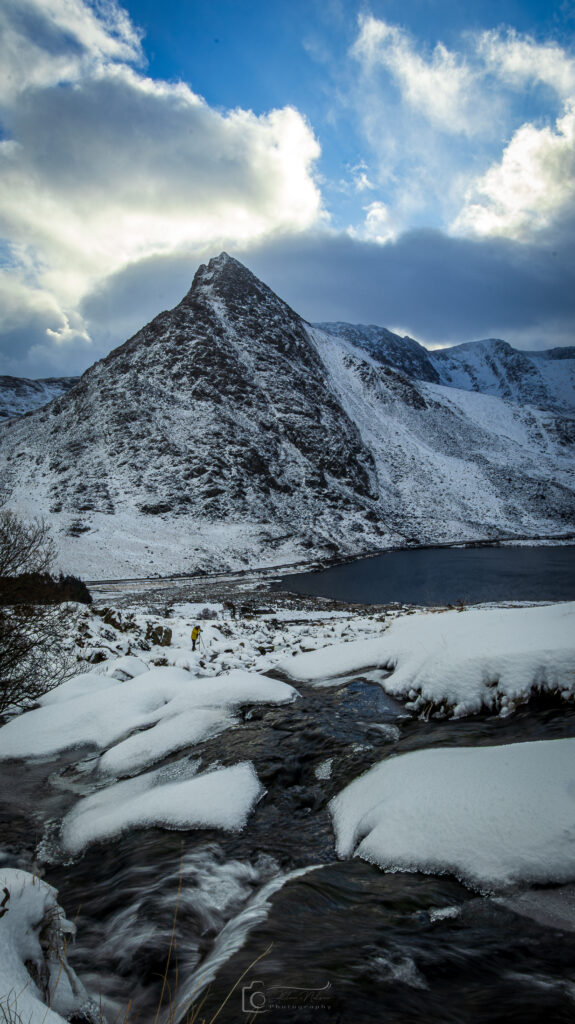
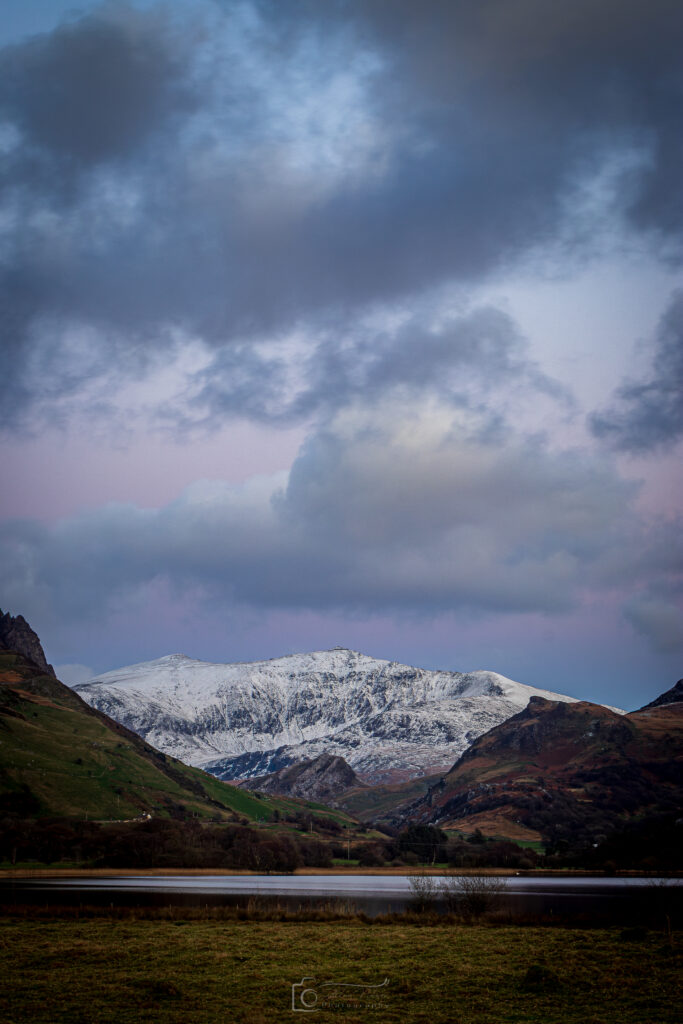
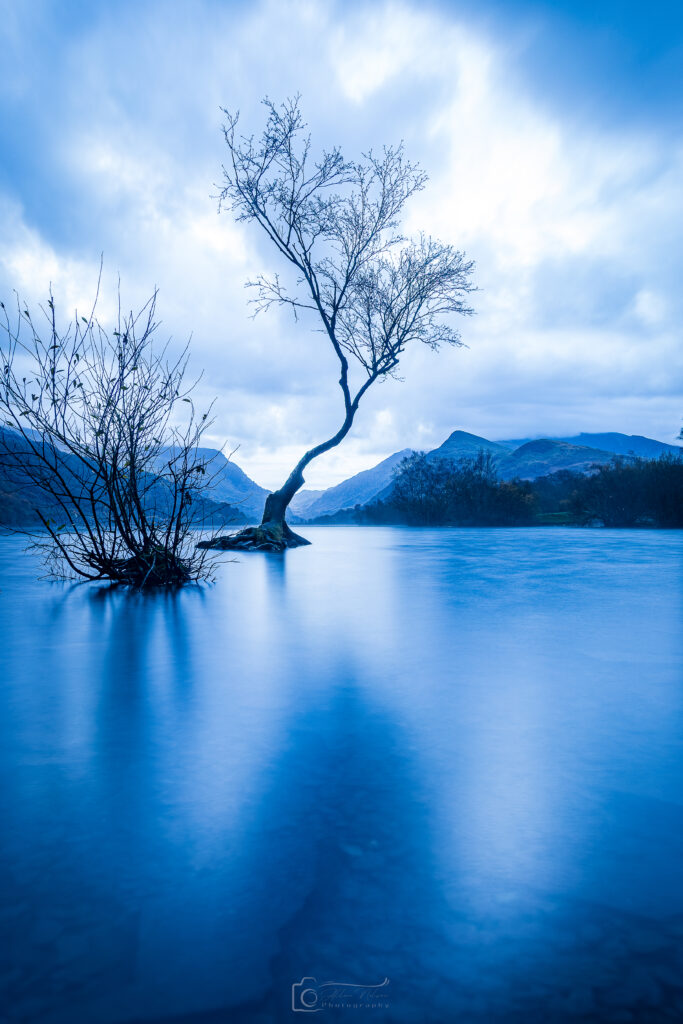
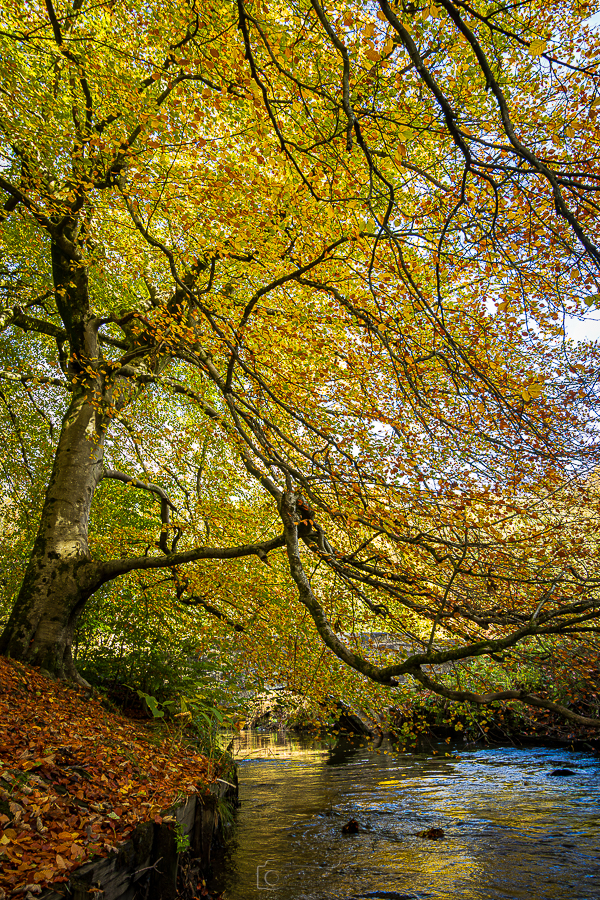
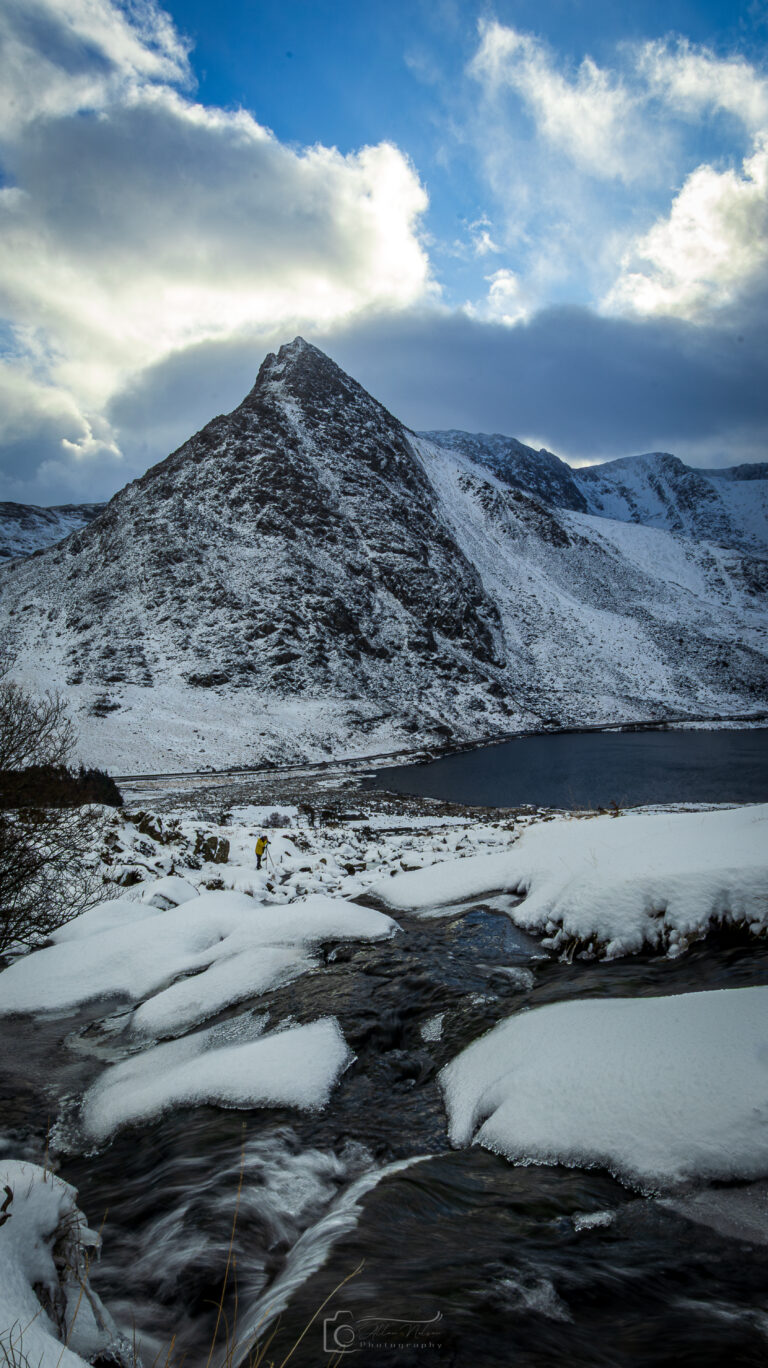
The rugged landscape resonates deeply with the echoes of a bygone era, each ridge and hollow whispering tales of the once-thriving industrial activity that shaped this region. Here, amidst the sweeping vistas, lie the haunting remnants of a busy slate quarry—an expansive testament to the area’s profound industrial heritage. Once teeming with bustling activity, the quarry’s abandoned walls now stand silent, yet commanding, as they stretch skyward, jagged and formidable against the horizon. These walls, scarred and carved by centuries of relentless extraction, serve as a living monument to the workers and communities that once depended on the slate industry for their livelihood. Their enduring presence invites explorers and history enthusiasts alike to imagine the bustling scenes that once unfolded beneath these slate-laden cliffs, stories of perseverance, innovation, and community resilience embedded in every fissure.
The freshness of mountain air, tinged with hints of damp stone and distant greenery, creates an intoxicating atmosphere that perfectly balances the wilderness’s raw beauty with the weight of history beneath my feet. The terrain seems almost alive with stories, each crag and crevice whispering of days when miners and labourers worked tirelessly beneath these very walls, their labour transforming raw mineral deposits into the treasured slate that shaped roofs, floors, and countless other structures across the land.
Occasionally, from a vantage point atop a jagged outcrop, a curious mountain goat pauses to observe. Its silent, watchful gaze adds a gentle reminder of nature’s enduring presence amid human history’s remnants. The goat’s keen eyes seem to acknowledge this place’s complex past—an industrial hub that has gradually surrendered to the slow, unstoppable march of nature’s reclamation. Around me, wildflowers sprout through cracks in the shale, and the gentle rustling of leaves and distant birdcalls mingle with the faint hum of modern machinery nearby, a reminder of the ongoing relationship between nature and industry.
Close to this scene, a sleek hydroelectric station nestles adjacent to the quarry. Its modern turbines hum softly, harnessing the mountain’s plentiful water to generate clean, renewable energy. This progressive development offers a fascinating contrast to the rugged, weathered remnants of the quarrying era. It stands as a symbol of the area’s evolving relationship with natural resources — from extracting raw materials to utilising natural forces for sustainable power production. The station’s presence highlights how technological advancements have allowed the region to adapt and grow, blending the historical significance of industry with contemporary environmental awareness.
This remarkable combination of natural splendour and historic echoes creates an extraordinary landscape at Llanberis Pass. Here, every corner invites quiet reflection on the transformations that have taken place over centuries—how the land, altered and shaped by industry, continues to evolve. From the silent, jagged quarry walls to the thrumming hydroelectric turbines and the wild mountain surroundings, the area offers a captivating tableau that speaks to resilience, innovation, and the enduring beauty of the natural world intertwined with human endeavour. It reminds us that even in the wake of industrial change, nature’s majestic spirit endures, slowly reclaiming its space while honouring the rich stories that came before.